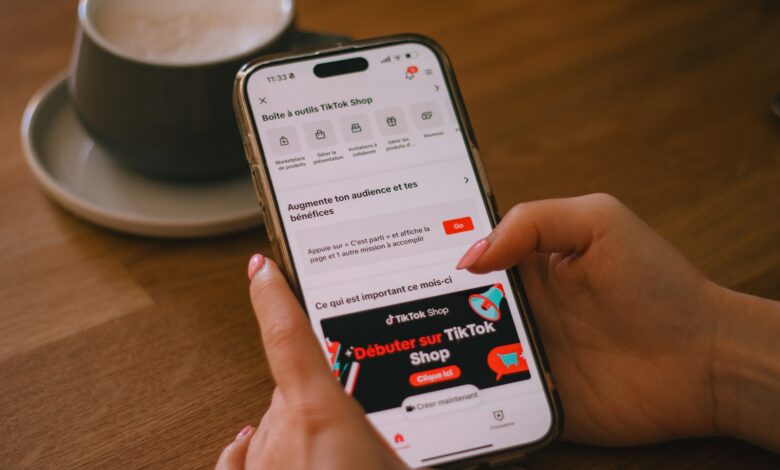
The world of digital retail is moving toward a more interactive and integrated experience where shopping happens right where we hang out online. Social commerce is no longer just a buzzword; it has become the most powerful engine driving the global e-commerce economy today. Traditional online shopping often feels like a lonely and mechanical process of searching through endless static catalogs. In contrast, social commerce brings back the human element by blending entertainment, community, and instant transactions.
Brands are now realizing that the best way to sell is to meet customers on the platforms they already use for hours every day. By utilizing direct conversion tactics, businesses can turn a casual scroll through a social feed into a completed purchase in seconds. This evolution is reducing the friction that used to kill sales, making the path from discovery to checkout almost invisible. Understanding these specialized tactics is essential for any modern brand looking to dominate the competitive digital marketplace.
The New Era of Social Shopping

Social platforms have transformed from simple places to share photos into fully functional digital storefronts. Consumers now expect to buy the products they see in their feeds without ever leaving the application.
This “in-app” experience is the holy grail of conversion because it removes every possible barrier to a sale. When a user has to click a link and wait for an external website to load, you lose their attention.
Direct conversion tactics focus on keeping the user within the social environment they trust. This creates a seamless journey that feels like a natural part of their daily social interaction.
To succeed, brands must move away from the “hard sell” and focus on creating “shoppable” moments. It is about making the product feel like a necessary part of the lifestyle being portrayed on the screen.
When shopping is this easy, consumers are much more likely to make impulse purchases and return for more.
Core Pillars of Social Conversion
A. Advanced In-App Checkout and Payment Integration.
B. Authentic User-Generated Content and Social Proof.
C. Collaborative Influencer Partnerships and Live Streams.
D. Dynamic Product Tagging in Video and Image Feeds.
E. Real-Time Customer Support via Social Messaging.
F. Short-Form Video Content with Instant Purchase Options.
G. Specialized Limited-Time Offers and Exclusive Drops.
Utilizing Short-Form Video for Instant Sales
Short-form video has become the dominant language of the internet, especially for younger generations of shoppers.
Platforms like TikTok and Reels are perfect for showing a product in action in a way that feels raw and real. The key to direct conversion here is the use of “shoppable tags” that appear right on the video.
Viewers can click a tag to see the price and details while the video continues to play in the background. This interactive layer turns a passive viewing experience into an active and exciting shopping trip.
It allows the brand to demonstrate value and trigger a purchase decision in less than sixty seconds. The content should feel less like a polished commercial and more like a helpful tip from a friend.
Authenticity is the currency of social commerce, and high-production ads often perform worse than simple phone videos.
Focus on showing the “problem” your product solves and provide an immediate way to buy the solution.
The Power of Influencer-Led Commerce
Influencers have built deep trust with their audiences over many years of consistent content creation. When an influencer recommends a product, their followers view it as a personal suggestion rather than an ad.
Direct conversion tactics leverage this trust by creating exclusive “shoppable” collections with creators. Live-stream shopping events are particularly effective for driving massive amounts of sales in a short window.
The creator can answer questions, show different angles of the product, and create a sense of urgency. Followers can click a link in the live chat to buy the item before it sells out during the stream.
This “social proof” is much more powerful than any marketing copy a brand could write on its own. It provides the validation that modern consumers need before they feel comfortable handing over their money.
Influencer partnerships are the bridge that connects brand awareness with direct, measurable sales results.
Essential Technical Capabilities
A. AI-Driven Product Recommendations for Individual Users.
B. Automated Inventory Syncing Across All Social Channels.
C. Integrated Social CRM for Managing Customer Conversations.
D. Low-Latency Video Streaming for High-Quality Live Sales.
E. Secure Tokenized Payment Processing for Mobile Devices.
F. Unified Dashboard for Tracking Multi-Platform Conversions.
Implementing Seamless In-App Checkouts
The biggest killer of online sales is a long and complicated checkout process on a mobile device. Asking a user to type in their shipping address and credit card info on a small screen is a huge friction point.
Direct conversion systems solve this by using the stored payment and address data within the social app. With “One-Click” buying, a customer can go from seeing a product to owning it with just a fingerprint scan.
This technology is what separates the high-growth brands from those that are stuck in the traditional web era. The faster the checkout, the higher the conversion rate will be for every single impression you generate.
Security is a major concern for users, so using the app’s own secure payment system builds instant trust. Users feel safer paying through a platform they use every day rather than a random new website.
In-app checkout is the ultimate tool for capturing the “impulse” buyer who wants it right now.
Driving Urgency with Exclusive Drops
Social media is the perfect place to create “hype” around a new product launch or a limited edition item. “Product Drops” involve announcing a specific time when a limited amount of an item will be available for sale.
This creates a “fear of missing out” (FOMO) that drives users to the app at the exact moment of the launch. By using countdown stickers and notification reminders, you can build a massive audience before the sale even starts.
Direct conversion happens when those users are funneled into a shoppable link the second the timer hits zero. This strategy is incredibly effective for fashion, beauty, and collectible brands that have a loyal fan base.
Exclusive “social-only” discounts also encourage users to follow your brand and stay engaged with your feed. If they know they can get a better price on Instagram than on your website, they will prioritize your social content.
It turns your social media presence into a high-value club that rewards its most active and loyal members.
Strategic Steps for Social Implementation
A. Auditing Current Social Presence and Audience Demographics.
B. Building a Library of Authentic User-Generated Content.
C. Configuring Product Catalogs and Meta Data for Social Tags.
D. Identifying and Vetting Influencers for Long-Term Partnerships.
E. Integrating Social Platforms with Your Main E-commerce Backend.
F. Setting Up Automated Customer Service Bots for Fast Replies.
Turning Conversations into Conversions
Social commerce is unique because it allows for a “two-way” conversation between the brand and the buyer. If a customer has a question about sizing or color, they can send a direct message (DM) and get an answer.
Converting those conversations into sales is a specific tactic that requires a dedicated strategy. Modern platforms allow brands to send “shoppable links” directly into the chat interface during a support session.
If the agent helps the customer find the right product, they can send a link that allows for an instant buy. This turns every customer service interaction into a potential revenue-generating opportunity for the business.
Using AI chatbots can help scale this process by answering the most common questions twenty-four hours a day. The bot can guide the user to the right product and even process the payment within the message window.
Conversational commerce is the future of retail because it provides the “human” help that people still crave online.
The Role of User-Generated Content (UGC)
Consumers are increasingly skeptical of professional brand photos that look “too perfect” to be real. They want to see what a product looks like in a real home or on a real person who isn’t a professional model.
User-generated content (UGC) is the most powerful form of social proof available to a brand today. By featuring customer photos and videos in your shoppable feed, you provide a level of transparency that builds trust.
Prospective buyers are much more likely to convert when they see someone just like them enjoying the product. You can even tag the products directly in the customer’s photo, making the “inspiration” instantly shoppable.
Encouraging your fans to share their own content with a specific hashtag creates an endless supply of marketing material.
It turns your loyal customers into a global sales force that promotes your brand for free. UGC is the heartbeat of social commerce and the key to building a community that buys together.
Key Metrics for Social Success
A. Average Order Value (AOV) via Social Checkout.
B. Click-Through Rate (CTR) on Shoppable Product Tags.
C. Conversion Rate of Social Media Referrals to Purchases.
D. Engagement Rate on Shoppable vs. Non-Shoppable Posts.
E. Return on Ad Spend (ROAS) for Social Commerce Campaigns.
F. Total Revenue Generated from Influencer-Led Live Streams.
Optimizing the “Mobile-First” Experience
Social commerce happens almost entirely on smartphones, so the entire experience must be built for the small screen. This means using vertical video formats that fill the screen and large, easy-to-click buttons for the checkout.
If your shoppable interface is hard to navigate with a thumb, your conversion rate will suffer significantly. Page load speed is also a critical factor, as social media users are notoriously impatient with slow technology.
The “mini-store” inside the social app should be lean and fast, loading images and prices in a fraction of a second.
Every millisecond of delay increases the chance that the user will swipe away to the next piece of content. Brands must also consider how their products look on different mobile screens and in different lighting conditions.
Clear, high-contrast images and simple descriptions work best for the fast-paced world of social scrolling. A mobile-first mindset is the absolute requirement for any brand that wants to succeed in the social marketplace.
The Future of AI in Social Commerce
Artificial intelligence is already being used to personalize the products that users see in their social feeds. In the future, AI will be able to “predict” what you want to buy before you even search for it yourself.
It will analyze your social interactions and show you shoppable content that is perfectly timed for your needs. Virtual try-on features using Augmented Reality (AR) will also become a standard part of the social shopping journey.
You will be able to see how a pair of glasses or a lipstick shade looks on your face using your phone’s camera. This “immersive” shopping reduces the risk of returns and gives customers the confidence to buy immediately.
AI will also help brands manage their social inventory and pricing in real-time based on global demand. If a product goes viral, the system can automatically adjust the ad spend to maximize the sales opportunity.
The synergy between AI and social media will create a shopping experience that is both highly efficient and deeply personal.
Best Practices for Long-Term Conversion
A. Balancing Promotional Content with Authentic Value.
B. Continuous A/B Testing of Product Tag Placements.
C. Fostering a Supportive and Active Social Community.
D. Maintaining a Consistent Brand Voice Across Platforms.
E. Providing Fast and Transparent Shipping and Return Info.
F. Regularly Updating Your Social Catalog with Fresh Data.
Overcoming the Trust Barrier
Even with the best technology, some users are still hesitant to buy directly through a social media application. They might be worried about data privacy or the quality of the product they will receive in the mail.
Overcoming this trust barrier is essential for a brand to achieve high conversion rates over the long term. Showing verified customer reviews and high ratings directly on the shoppable tag is a great way to build confidence.
Clear return policies and “money-back” guarantees should also be easy to find within the social store. Being responsive to comments and messages shows that there are real people behind the digital brand who care.
Transparency about where the product is made and how it is shipped also helps to build a loyal following. The more information you provide up front, the less risk the customer feels when they hit the “buy” button.
Trust is not built overnight, but it is the foundation that makes all other social commerce tactics work.
Building a Scalable Social Strategy
A. Collaborating with a Diverse Range of Content Creators.
B. Investing in the Latest Social Commerce Software Tools.
C. Leveraging Cross-Platform Data for Better Targeting.
D. Monitoring Emerging Social Trends and New Features.
E. Prioritizing Customer Experience Over Short-Term Profit.
F. Staying Agile and Ready to Pivot as Algorithms Change.
Navigating the Multi-Platform Landscape
A successful social commerce strategy cannot rely on just one platform; it must be diversified. Your audience on TikTok might be looking for something completely different than your audience on Pinterest.
Each platform has its own “vibe” and its own set of tools that you must master to win the sale. Pinterest is great for long-term inspiration and home decor, while Instagram is the king of fashion and lifestyle.
TikTok is the best place for viral trends and “impulse” buys that are driven by high-energy video content. A multi-platform approach ensures that you are reaching your customers wherever they choose to spend their time.
Managing all these different catalogs and conversations can be complex, so using a “unified” software is key. This allow you to update a price once and have it change across every social store instantly.
Efficiency in management is what allows a brand to scale its social commerce efforts without losing its mind.
Conclusion

The evolution of social commerce has fundamentally changed the way that modern consumers discover and purchase products. We are moving away from a world of separate social and shopping experiences toward a single, integrated digital life. Direct conversion tactics are the essential tools that allow brands to capture value in this new and fast-paced environment. By removing friction and utilizing the power of social proof, companies can achieve conversion rates that were once impossible. The integration of in-app checkouts and shoppable videos has made the path to purchase shorter and more exciting than ever before.
Influencer partnerships and user-generated content provide the authentic trust that modern shoppers demand from a brand. As artificial intelligence and augmented reality continue to advance, the social shopping experience will only become more immersive. Data-driven insights allow for a level of personalization that ensures every user sees exactly what they are most likely to buy. Security and privacy remain the critical foundations that allow for long-term trust and growth in the social marketplace. The brands that embrace these tactics today will be the ones that lead the global e-commerce revolution of the future.