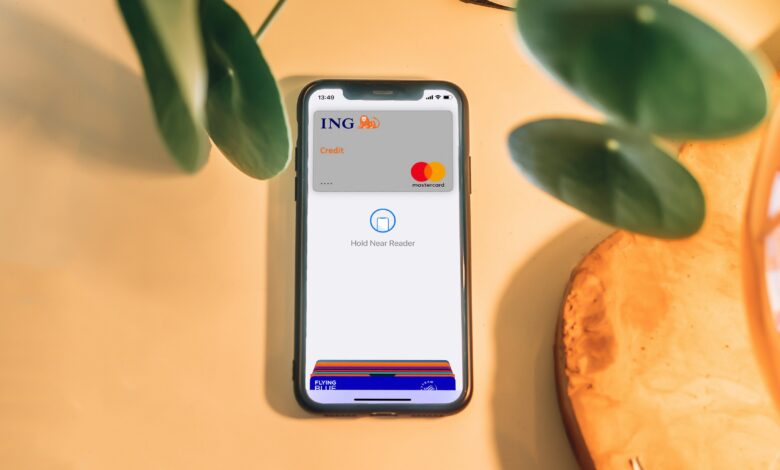
The global financial infrastructure is currently undergoing its most significant transformation since the invention of the credit card. As physical cash usage continues to decline across almost every developed nation, central banks are stepping in to provide a digital alternative that is safe, stable, and government-backed. Central Bank Digital Currency (CBDC) wallets represent the frontline of this evolution, offering citizens a secure way to hold and spend national digital assets. Unlike private cryptocurrencies which are often volatile, CBDCs are a direct digital form of a country’s fiat currency, regulated and issued by the central monetary authority. These specialized digital wallets are designed to integrate seamlessly into daily life, providing a platform for everything from government transfers to peer-to-peer payments.
By moving toward a digital ledger system, nations can reduce transaction costs and increase financial inclusion for populations that are currently unbanked. The rollout of these wallets is not just a technological upgrade but a fundamental redesign of how sovereignty and value are represented in the digital age. As we witness the transition from traditional bank deposits to direct central bank accounts, the importance of understanding the software that holds our money has never been higher. This comprehensive guide will explore the architecture, security, and strategic implementation of CBDC wallets in the modern economy.
The Foundational Architecture of Digital Wallets

To understand how these wallets function, we must look at the underlying technology that distinguishes them from traditional banking apps.
A. Distributed Ledger and Centralized Databases
Most CBDC wallets utilize a hybrid approach that combines the speed of centralized processing with the transparency of a ledger. This ensures that every transaction is recorded in a way that is both fast and impossible to alter after the fact.
B. Two-Tiered Distribution Systems
In this model, the central bank issues the currency, but private banks and fintech companies provide the wallet software. This preserves the existing banking ecosystem while giving users the safety of a government-backed asset.
C. Account-Based versus Token-Based Systems
Account-based wallets require a verified identity to access funds, much like a traditional bank account. Token-based wallets act more like digital cash, where ownership is proven by a digital signature, allowing for more privacy in small transactions.
Enhancing Security and Privacy Protocols
Security is the primary concern for any digital currency issued at a national scale.
A. Advanced Biometric Authentication Measures
CBDC wallets often require facial recognition or fingerprint scanning to authorize a transfer. This ensures that even if a physical device is lost, the digital assets remain protected from unauthorized access.
B. Programmable Spending and Smart Controls
Parents can use these features to set limits on a child’s wallet, or government agencies can ensure that disaster relief funds are spent on essential goods. These programmable layers add a level of utility that physical cash simply cannot provide.
C. Offline Payment Capabilities
One of the biggest challenges for digital money is ensuring it works when the internet is down. Modern CBDC wallets use short-range communication technology to allow for offline payments between two devices.
Driving Global Financial Inclusion
One of the main goals of central bank digital initiatives is to bring everyone into the modern financial system.
A. Lowering Barriers for the Unbanked
Traditional bank accounts often require minimum balances and complex paperwork. CBDC wallets can be opened with a simple smartphone or a government ID card, giving millions of people access to digital payments for the first time.
B. Reducing Transaction Fees for Small Businesses
Credit card companies often charge high fees that eat into the profits of small vendors. Because CBDC wallets operate on a national infrastructure, the cost of receiving payments is significantly lower for the merchant.
C. Streamlining Government Social Transfers
During times of crisis, the government can send aid directly to a citizen’s CBDC wallet. This eliminates the need for paper checks and ensures that help reaches those in need almost instantly.
Cross-Border Payments and International Trade
The integration of CBDC wallets will fundamentally change how money moves between different countries.
A. Eliminating the Need for Correspondent Banking
International transfers usually take days because they move through multiple middleman banks. Direct CBDC-to-CBDC transfers can happen in seconds, making global trade much more efficient.
B. Interoperability Between Different Nations
Central banks are currently working on “bridge” technologies that allow a wallet in one country to talk to a wallet in another. This creates a unified global payment network that is faster and cheaper than the current system.
C. Reducing Currency Exchange Volatility
By using digital ledgers, businesses can lock in exchange rates at the moment of a transaction. This reduces the risk for companies that operate in multiple countries with different currencies.
The Role of Fintech Innovation
Private companies are playing a major role in making CBDC wallets user-friendly and feature-rich.
A. Integration with Existing Retail Apps
Digital wallets are being designed to work inside the apps we already use every day. This means you might soon be able to spend your digital national currency directly through a social media or food delivery app.
B. User Experience and Interface Design
Fintech firms are competing to create the most intuitive wallet interface. A successful CBDC wallet must be as easy to use as a physical leather wallet, especially for older generations.
C. Adding Value-Added Financial Services
Beyond simple payments, these wallets will soon offer micro-loans, insurance, and investment products. This turns the basic wallet into a comprehensive financial hub for the individual user.
Balancing Transparency and Individual Privacy
The transition to digital money raises important questions about how much the government should see.
A. Anonymity for Low-Value Transactions
Many central banks are proposing a system where small daily purchases remain private. This mimics the anonymity of physical cash for things like buying a coffee or a newspaper.
B. Tiered Identity Verification Requirements
As the amount of money in the wallet increases, the level of identity verification also goes up. This helps prevent money laundering and tax evasion while still protecting the privacy of the average citizen.
C. Auditability and Fraud Prevention
While individual privacy is important, the digital ledger allows authorities to track large-scale criminal activity more effectively. This makes the entire financial system safer for everyone.
Impact on the Traditional Banking Sector
The rise of CBDC wallets is forcing traditional banks to rethink their entire business model.
A. The Competition for Customer Deposits
If citizens can hold their money directly with the central bank, commercial banks may lose some of their funding. This is pushing banks to offer better interest rates and services to keep their customers.
B. Shifting Toward Financial Advisory Services
Banks are moving away from simple deposit-taking and toward providing complex financial advice. They are becoming the experts who help people manage their digital assets across multiple platforms.
C. Collaboration Between Public and Private Sectors
The most successful CBDC rollouts are those where the government and private banks work together. This ensures that the new digital system is both safe and innovative.
The Technical Challenges of National Implementation
Rolling out a digital wallet to an entire population is a massive engineering feat.
A. Ensuring System Resilience and Uptime
A national digital currency must work 24 hours a day, 365 days a year, without fail. This requires a massive investment in server infrastructure and cybersecurity defense.
B. Scalability for High-Volume Transactions
The system must be able to handle millions of transactions per second during peak times, such as holiday shopping seasons. This requires a much more powerful ledger than what most private cryptocurrencies use.
C. Standardizing Communication Protocols
For the system to work, every wallet, cash register, and bank must speak the same digital language. International organizations are currently working on setting these global standards.
Environmental Sustainability of Digital Currency
Compared to physical cash and some cryptocurrencies, CBDCs offer a much greener way to handle money.
A. Reducing the Carbon Footprint of Physical Cash
Printing, transporting, and securing physical paper money requires a massive amount of energy and resources. Digital wallets eliminate the need for armored trucks and paper mills.
B. Energy-Efficient Consensus Mechanisms
Unlike Bitcoin, which requires massive amounts of electricity to “mine,” CBDC ledgers use very little energy. They are designed to be environmentally sustainable from the start.
C. Promoting Sustainable Economic Growth
By making the financial system more efficient, CBDCs help reduce the overall energy waste in the economy. This contributes to a nation’s long-term environmental goals.
The Future of the Programmable Economy
The most exciting aspect of CBDC wallets is the ability to make money “smart.”
A. Automated Tax Payments and Refunds
A CBDC wallet can be programmed to pay sales tax automatically at the moment of purchase. This reduces the administrative burden on businesses and ensures the government receives funds instantly.
B. Smart Contracts for Escrow and Trade
Imagine buying a car where the money is only released when the digital title is transferred to your wallet. This kind of “smart escrow” will make buying and selling much safer for everyone.
C. Direct Monetary Policy Implementation
Central banks could potentially pay interest directly into a citizen’s wallet. This gives them a more direct way to stimulate or cool down the economy when needed.
Education and Public Adoption Strategies
For CBDC wallets to succeed, the public must understand and trust the new system.
A. National Public Awareness Campaigns
Governments are launching large-scale education programs to explain the benefits of digital money. These campaigns focus on safety, ease of use, and the fact that physical cash is not disappearing immediately.
B. Pilot Programs and Small-Scale Testing
Before a full national launch, most countries run small tests in specific cities. This allows them to find and fix any technical bugs before the whole country starts using the wallet.
C. Incentivizing Early Adoption
Some nations are offering small “digital airdrops” or discounts for citizens who sign up for the wallet early. This helps build the initial user base and gets people comfortable with the new technology.
Safeguarding Against Cyber Threats
As money becomes purely digital, the threat of hacking becomes a national security issue.
A. Quantum-Resistant Encryption Standards
Central banks are already looking ahead to the threat of quantum computers. They are building wallets that use advanced mathematics to stay safe even against the computers of the future.
B. Distributed Denial of Service (DDoS) Protection
The national wallet system must be able to withstand massive attacks from hostile actors. This requires a decentralized infrastructure that has no single point of failure.
C. Regular Security Audits and Bug Bounties
Governments are hiring the best hackers in the world to try and break into the CBDC system. By finding vulnerabilities early, they can keep the public’s money safe.
Conclusion

Central bank digital currency wallets are the fundamental building blocks of the next era of global finance. The transition toward digital national assets provides a safer and more efficient alternative to physical cash. Security remains the top priority for every nation looking to implement a digital wallet for its citizens. Financial inclusion is greatly enhanced when every person has access to a low-cost government-backed digital account. International trade will become much faster and cheaper as wallets across different countries become interoperable. The private sector will continue to drive innovation by creating user-friendly interfaces and new financial services.
A balanced approach to privacy is necessary to ensure public trust while preventing criminal activity. Traditional banks must evolve their services to remain relevant in a world of direct central bank accounts. The environmental benefits of digital money over physical cash are significant for a sustainable future. Programmable money will unlock new levels of efficiency for both businesses and government agencies. Public education and trust are just as important as the underlying technology for a successful rollout. Cybersecurity defenses must be constantly updated to stay ahead of increasingly sophisticated threats.
The era of digital sovereignty is here and it is changing how we perceive the value of national money. Every citizen should take the time to learn how these digital tools will impact their daily lives. The future of the global economy is one that is more connected, transparent, and accessible to everyone. Ultimately, the goal of these wallets is to provide a stable foundation for prosperity in the digital age. Mastering the use of CBDC tools is the first step toward achieving total financial literacy in the coming decades.